Keynote Speakers
Chris Paxton
Researcher at Agility RoboticsKeynote title: General Purpose Mobile Manipulation in Unstructured Environments
Bio
Chris Paxton is a researcher at Agility Robotics. Chris works across academia and industry, with previous experience at organizations such as NVIDIA Research, Meta FAIR, and Hello Robot. His work on robot learning, manipulation, and language-guided planning contributes to the development of general-purpose embodied agents capable of performing complex tasks in real-world human environments.

Xuesu Xiao
Assistant Professor in the Department of Computer Science at George Mason UniversityKeynote title: Human-Interactive Mobile Robots: from Learning to Deployment
Bio
Xuesu directs the RobotiXX lab, with a specific focus on developing highly capable and intelligent mobile robots that are robustly deployable in the real world with minimal human supervision. Xuesu’s work has been deployed in real-world robot field missions, including search and rescue effort in the Mexico City earthquake and the Greece refugee crisis, decommissioning effort in the Fukushima nuclear disaster, and multiple search and rescue exercises in the US. His work on human-aware robot navigation addresses fundamental challenges in enabling embodied agents to operate safely and naturally in dynamic human environments.
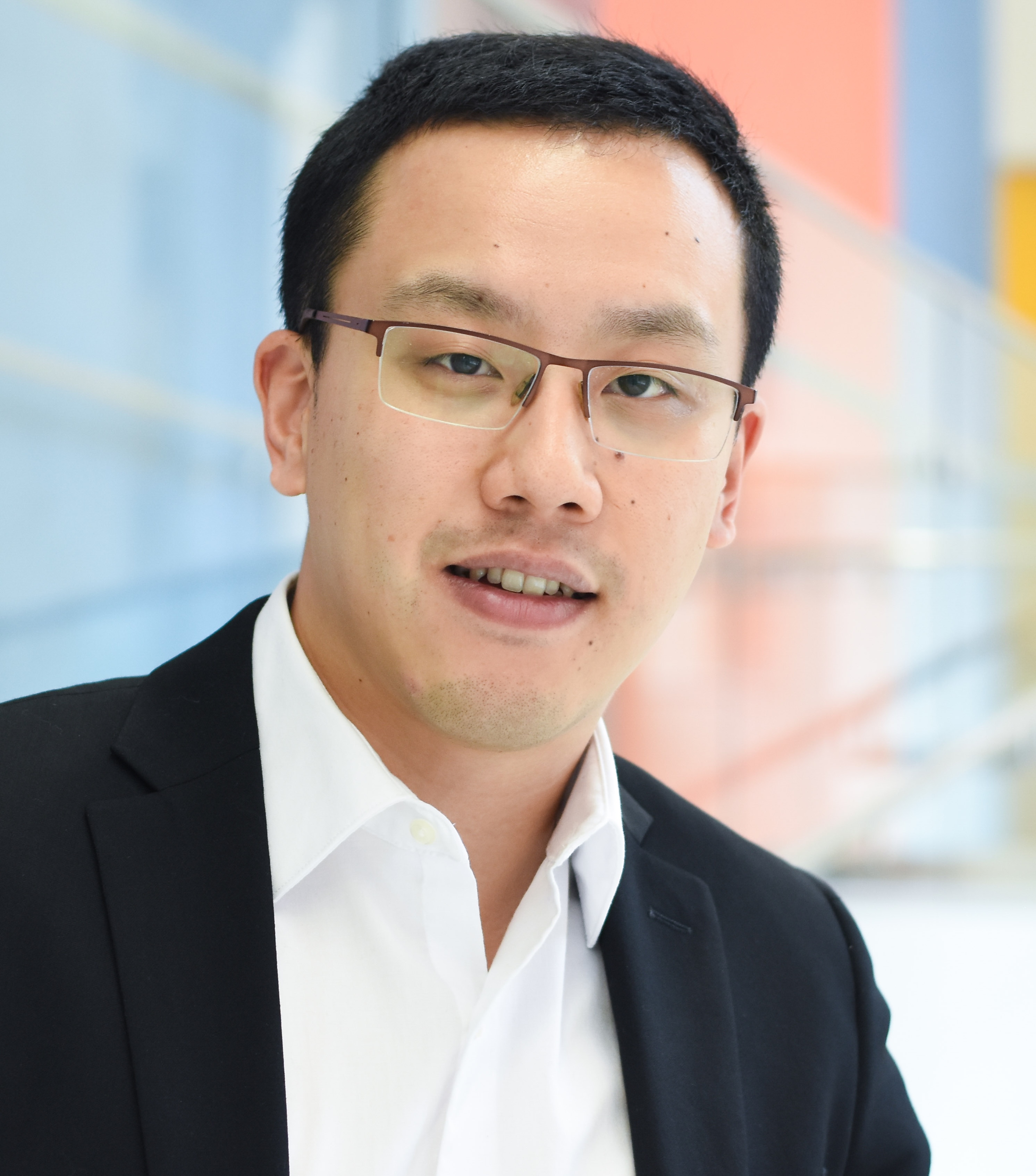
Xavier Alameda-Pineda
Research Director and leader of the RobotLearn research team at Inria GrenobleKeynote title: Beyond Task Completion: What a Real-World Social Robot Deployment in Elderly Care Teaches Us About Human-Centric Embodied AI
Abstract
Recent progress in LLMs, MLLMs, and VLA models has pushed embodied agents toward interpreting natural language and executing complex tasks, yet most evaluations remain confined to controlled settings. Real deployments among the people such systems are meant to serve — particularly in unstructured, human-centric environments — remain rare, and the question of whether socially and conversationally capable robots are actually accepted and usable by end-users is still largely open. This talk presents results from the H2020 SPRING project, which developed a software architecture enabling a full-sized humanoid robot to navigate, perceive, and converse in complex, populated public spaces. We report on several waves of experiments conducted in a day-care gerontological facility in Paris, involving elderly patients and companions, evaluating the robot's acceptability (AES) and usability (SUS) under real operating conditions. Users were broadly receptive to the technology, particularly when perception and action skills remained robust to environmental clutter and flexible enough to handle diverse, situated interactions — and we discuss the concerns and friction points that emerged.
Bio
Xavier is a senior researcher working in academia, focusing on multimodal machine learning combining audio, vision, and robotics for understanding human behavior. His work on multimodal perception and social signal understanding provides key insights for enabling embodied agents to interpret human cues and interact naturally with people in shared environments.
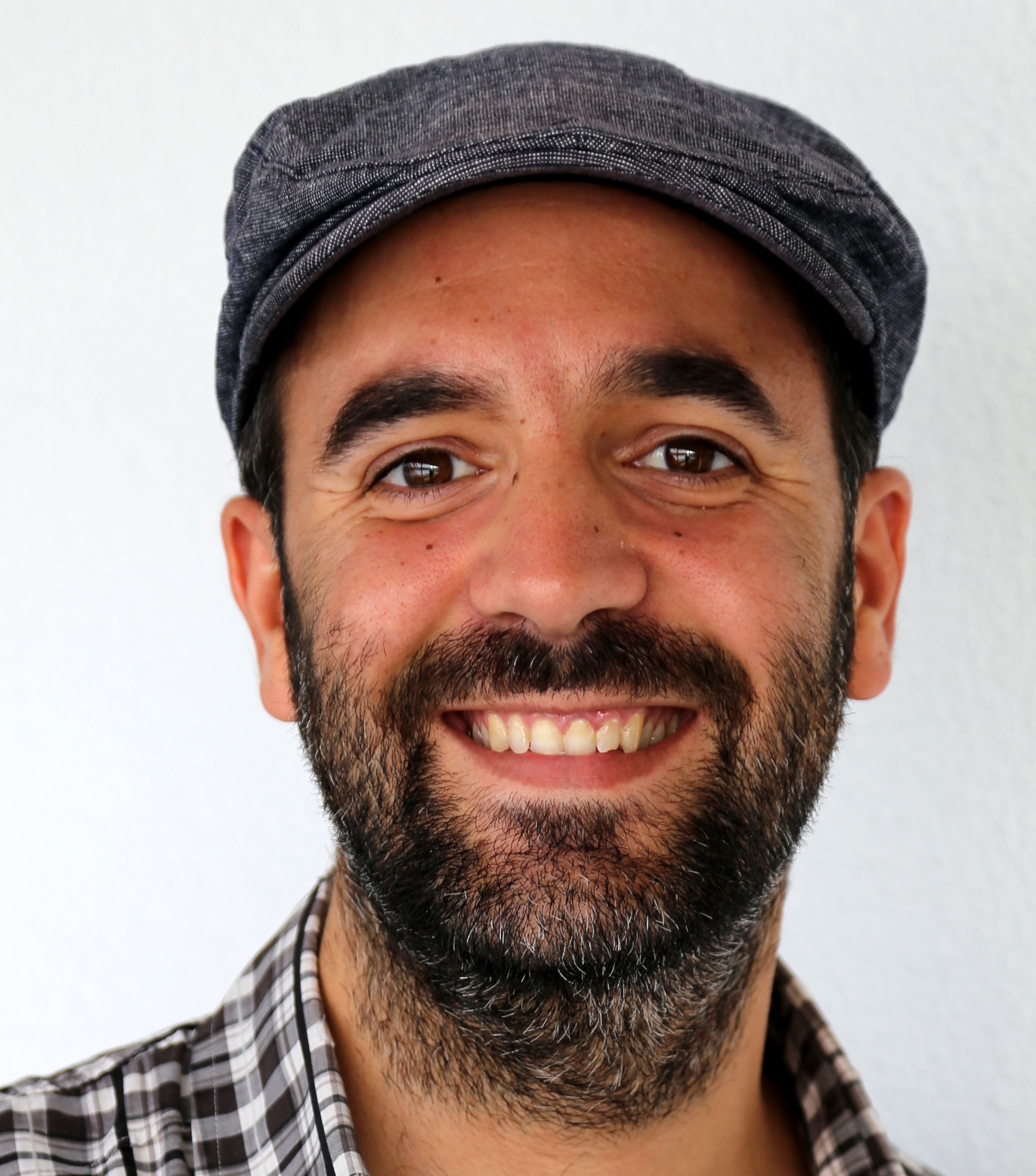
Alessandra Sciutti
Senior Researcher at the Italian Institute of Technology (IIT)Keynote title: Embodied Cognition for Human-Aware Robotics
Bio
Alessandra is a leading researcher in cognitive robotics and human-robot interaction, studying how robots perceive and anticipate human actions and intentions. Her research on social perception and human-robot collaboration is highly relevant for the development of human-aware embodied agents capable of interacting safely and intuitively with humans.
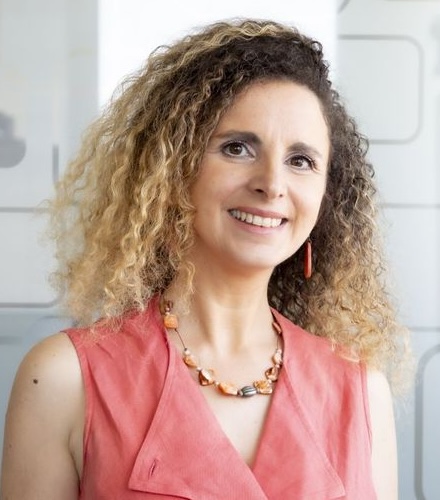
Tapomayukh Bhattacharjee
Assistant Professor at the Cornell University and director of the EmPRISE Lab.Keynote title: Physical Intelligence for Physical Care: Towards Stakeholder-Informed Caregiving Robots in the Real World?
Bio
Tapomayukh is a researcher working in academia whose work focuses on assistive robotics and human-centered robot learning. His research explores how robots can physically interact with and assist humans in everyday activities, contributing to the development of embodied agents capable of collaborating with people in real-world environments.

Unnat Jain
Assistant Professor at the at the University of California, Irvine.Keynote title: Astra/Fable vs. Your VLA: Who Should Do What
Bio
Unnat is a researcher working in academia whose work focuses on embodied AI at the intersection of computer vision, robot learning, and multimodal foundation models. His research explores how embodied agents can learn from diverse data sources and integrate language, perception, and action to operate in complex environments alongside humans.